Starting a home gym can feel overwhelming fast, especially when you’re trying to figure out what equipment you actually need and what you can skip. Most beginners end up wasting money on the wrong gear or buying too much too soon, which leads to clutter, frustration, and a setup they barely use.
The truth is, you don’t need everything. You need the right equipment that gives you versatility, fits your space, and helps you stay consistent. A smart beginner setup allows you to train your entire body, build strength, and grow your routine without overcomplicating things.
In this guide, you’ll find the best home gym equipment for beginners, along with exactly how to build a simple, effective setup that works from day one.
What Equipment Do Beginners Actually Need?
Most beginners make the mistake of thinking they need a full gym setup right away, but that’s not true. The best home gym equipment for beginners focuses on versatility and simplicity, not volume.
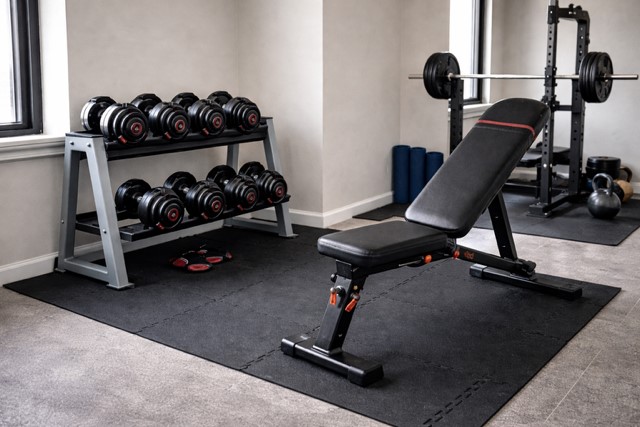
A strong beginner setup should allow you to train your entire body without overwhelming your space or budget. That typically means choosing equipment that can handle multiple exercises instead of single-purpose machines.
For most people, the foundation should include a power rack or squat stand, an adjustable bench, and a basic set of weights. From there, adding items like resistance bands or a cable system can expand your training without making your setup complicated.
The goal is to start with equipment that grows with you. As your strength and experience improve, you can add more specialized pieces, but your core setup should always stay simple, effective, and easy to use.
What Beginners Actually Need (Keep It Simple)
The biggest mistake beginners make is trying to build a “complete gym” on day one.
Instead, focus on:
- Versatility
- Space efficiency
- Long-term value
A beginner-friendly setup should allow you to:
- Train full body
- Progress over time
- Expand without replacing everything
The Core Beginner Setup (Start Here)
If you’re starting from scratch, this is the smartest foundation:
- Adjustable dumbbells
- Adjustable weight bench
- Basic flooring
- Optional: resistance bands
This setup alone allows you to perform:
- Chest presses
- Rows
- Shoulder exercises
- Leg movements
- Core work
Adjustable Dumbbells (Most Important First Purchase)
Best Overall – Bowflex SelectTech 552 Adjustable Dumbbells
Key Features:
- Adjustable from 5 to 52.5 lbs
- Space-saving design
- Quick weight changes
- Ideal for beginners and intermediate users
Why It’s Great:
Adjustable dumbbells are the single most versatile piece of equipment you can own. They allow you to perform dozens of exercises without needing a full rack of weights. The Bowflex 552 is one of the most popular beginner options because it balances ease of use, reliability, and space efficiency.
Best For:
Full-body training, small spaces, beginner setups
Adjustable Weight Bench
Best Overall – FLYBIRD Adjustable Weight Bench
Key Features:
- Multiple incline and decline positions
- Compact and foldable design
- High weight capacity
- Stable and beginner-friendly
Why It’s Great:
A bench unlocks a wide range of exercises that dumbbells alone can’t fully support. It allows for better form, more variation, and safer progression.
Best For:
Chest workouts, shoulder training, full-body routines
Basic Flooring (Protect Your Space)
Best Overall – ProsourceFit Puzzle Exercise Mats
Key Features:
- Interlocking foam tiles
- Easy to install
- Protects floors and equipment
- Budget-friendly
Why It’s Great:
Flooring is often overlooked, but it protects your equipment, reduces noise, and creates a defined workout space.
👉 Read more: Best Home Gym Flooring for Beginners (2026 Guide)
Resistance Bands (Low Cost, High Value)
Best Overall – Fit Simplify Resistance Bands Set
Key Features:
- Multiple resistance levels
- Lightweight and portable
- Great for warm-ups and mobility
- Affordable
Why It’s Great:
Bands are perfect for beginners who want to improve mobility, warm up properly, or add resistance without heavy weights.
Power Rack (Upgrade Option)
Best Overall – Fitness Reality 810XLT Power Cage
Key Features:
- Heavy-duty steel construction
- Built-in pull-up bar
- Safety bars for secure lifting
- Expandable with attachments
Why It’s Great:
Once you’re ready to progress, a power rack becomes the centerpiece of your gym. It allows for serious strength training with safety and versatility.
👉 Read more: Best Power Racks for Home Gyms (2026 Guide)
How to Build Your Setup Step-by-Step
Step 1:
Start with dumbbells + bench
Step 2:
Add flooring and create your workout space
Step 3:
Incorporate bands and accessories
Step 4:
Upgrade to a rack and barbell setup
Step 5:
Expand with cables and storage
👉 See our full roadmap: Start Here: Build Your Home Gym the Right Way (2026 Guide)
Common Beginner Mistakes to Avoid
- Buying too much equipment too early
- Ignoring space limitations
- Choosing low-quality gear
- Skipping foundational pieces
- Not planning for upgrades
Frequently Asked Questions
What is the best home gym equipment for beginners?
The best home gym equipment for beginners focuses on versatility, simplicity, and long-term usability. Instead of buying everything at once, it’s better to start with a few core pieces that allow you to train your entire body. This approach helps you stay consistent while avoiding unnecessary spending. A well-planned setup also makes it easier to upgrade over time as your needs change.
How much should a beginner spend on home gym equipment?
Beginners don’t need to spend a large amount of money to get started. A simple and effective setup can be built with a moderate investment by focusing on multi-use equipment. Overspending early often leads to clutter and regret, especially if the equipment isn’t used consistently. Starting small allows you to build confidence and expand your setup gradually.
What equipment should I start with for a home gym?
A strong beginner setup usually includes a rack or stand, a bench, and some form of resistance like weights or bands. These pieces allow you to perform a wide range of exercises without needing multiple machines. The key is choosing equipment that supports full-body training rather than isolated movements. This keeps your routine efficient and easy to maintain.
Is it better to buy all home gym equipment at once?
Buying everything at once is rarely the best approach for beginners. It’s more effective to start with the essentials and add equipment as your experience grows. This prevents wasted money and ensures that every piece you purchase serves a clear purpose. Over time, your setup becomes more tailored to your specific goals.
Can you build muscle with basic home gym equipment?
Yes, you can build muscle effectively with a simple home gym setup. Consistency, proper training, and progressive overload matter more than having a large amount of equipment. Basic equipment can support a wide range of strength exercises that produce real results. As you progress, you can expand your setup to continue challenging your body.
Final Thoughts
Choosing the best home gym equipment for beginners is not about buying everything at once, it’s about building a setup that actually works for your space, your goals, and your consistency. The right equipment should make training easier to start and easier to stick with, not more complicated.
A strong beginner setup focuses on versatility and long-term value. When you choose equipment that allows you to train your entire body without overwhelming your space, you create a foundation that grows with you instead of holding you back.
If you’re building your setup step by step, start by creating a solid base with our Best Foldable Power Rack for Garage Gyms guide. From there, you can expand your training options with our Best Cable Machines for Home Gyms guide and improve your overall setup with our Best Home Gym Flooring for Beginners guide.
The goal is simple: keep your setup effective, efficient, and easy to use. When your equipment supports your routine instead of complicating it, consistency follows and results come faster.