
If you’ve ever trained in a hot, humid garage gym, you already know the problem—poor airflow can completely ruin your workout. Heat builds up quickly, humidity makes the air feel heavy, and your performance drops faster than it should.
The good news is you don’t need a full HVAC system to fix it. With the right combination of fans, airflow strategy, and humidity control, you can dramatically improve your gym environment without overspending.
This guide breaks down the best home gym ventilation solutions in 2026, including what actually works, what to avoid, and how to set it up correctly.
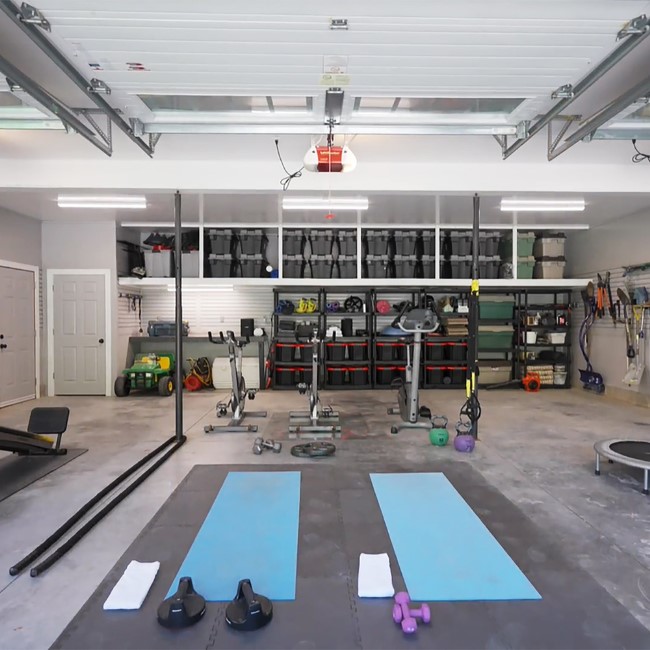
🌬️ Why Ventilation Matters More Than You Think
Ventilation isn’t just about comfort—it directly impacts how you train.
Poor airflow leads to:
- Faster fatigue and overheating
- Reduced endurance during workouts
- Excess moisture buildup (bad for equipment)
- Long-term odor and mold issues
A properly ventilated gym allows you to:
- Train longer without overheating
- Maintain consistent performance
- Protect your equipment investment
- Create a space you actually want to use
🔄 The 3 Core Ventilation Solutions (You Need to Understand This)
1. Air Circulation (Fans)
This is the foundation of every home gym setup.
Fans don’t cool the air—they move it. But that movement alone can make a huge difference in perceived temperature and comfort.
Pros:
- Affordable and easy to set up
- Immediate improvement in airflow
- Portable and flexible positioning
Cons:
- Doesn’t reduce humidity
- Limited impact in extremely hot environments
- Requires proper placement to be effective
Best for: Every home gym (this is non-negotiable)
2. Air Exchange (Fresh Air In / Hot Air Out)
This is where your setup starts to level up.
Instead of just moving air around, you’re actually replacing hot air with cooler air from outside.
Pros:
- Significantly reduces heat buildup
- Improves oxygen flow and freshness
- Works well in garages with doors or windows
Cons:
- Depends on outside temperature
- Requires setup strategy (fan placement matters)
- Less effective in very humid climates
Best for: Garage gyms with access to doors/windows
3. Humidity Control (Dehumidifiers)
This is the most overlooked part of home gym ventilation.
Humidity is what makes a gym feel “sticky,” even when the temperature isn’t extreme.
Pros:
- Makes air feel cooler instantly
- Prevents mold and mildew
- Protects barbells, plates, and equipment
Cons:
- Higher upfront cost
- Takes up space
- Needs regular emptying or drainage
Best for: Florida, southern climates, or enclosed garages
💨 High Velocity Fan (Best Overall Starting Point)
This is the first upgrade every home gym should make.
A high-velocity fan creates consistent airflow across your entire lifting area, helping reduce heat buildup and making workouts far more comfortable.
Pros:
- Biggest immediate impact
- Affordable upgrade
- Easy to position and move
Cons:
- Can be noisy at higher speeds
- Doesn’t remove humidity
- Needs proper placement for best results
Who this is for: Anyone building a home gym—this should be your first purchase
🌀 Industrial Floor Fan (Best for Larger or Hotter Gyms)
If your garage gets extremely hot, a standard fan won’t cut it. Industrial fans move significantly more air and can cool larger spaces effectively.
Pros:
- Much stronger airflow
- Covers larger areas
- Ideal for hot climates
Cons:
- Louder than standard fans
- Takes up more space
- Higher cost than basic fans
Who this is for: Garage gyms in hot climates or larger training spaces
💧 Dehumidifier (Most Underrated Upgrade)
If your gym feels humid, this is the missing piece.
A dehumidifier removes moisture from the air, which makes your environment feel cooler and more comfortable—even without lowering the actual temperature.
Pros:
- Improves comfort immediately
- Protects equipment from rust
- Reduces odor and moisture issues
Cons:
- Not cheap
- Needs maintenance (emptying tank)
- Doesn’t move air on its own
Who this is for: Humid environments or garages that feel damp/sticky
🌪️ Wall-Mounted Fan (Best Space-Saving Option)
If floor space is limited, wall-mounted fans are a smart alternative.
They keep airflow elevated and directed toward your workout area without interfering with equipment placement.
Pros:
- Saves floor space
- Strong directional airflow
- Cleaner setup
Cons:
- Fixed position
- Requires installation
- Less flexible than portable fans
Who this is for: Smaller gyms or tightly organized spaces
🧠 How to Set Up Airflow Correctly (Most Important Section)
Most people buy a fan and stop there—that’s the mistake.
✔ Basic Setup (Good)
- One fan facing your lifting area
- Garage door partially open
✔ Better Setup (Recommended)
- One fan pulling air IN
- One fan pushing air OUT
- Airflow moving across your body
✔ Advanced Setup (Best Performance)
- High-velocity fan + dehumidifier
- Cross-ventilation setup
- Strategic fan placement
🔥 Common Ventilation Mistakes
Using one small fan and expecting results is one of the biggest mistakes.
Ignoring humidity leads to long-term comfort issues and equipment damage.
Blocking airflow with racks, benches, or storage reduces effectiveness.
Keeping your garage fully closed traps heat and makes ventilation useless.
💰 Budget vs Premium Ventilation Setups
Budget Setup ($50–$150)
- One high-velocity fan
- Open garage airflow
Mid-Range Setup ($150–$400)
- Industrial fan
- Secondary airflow fan
- Entry-level humidity control
Premium Setup ($400+)
- Multiple fans
- Dehumidifier
- Optimized airflow system
🔥 Final Thoughts: Build an Environment That Works as Hard as You Do
Most people focus almost entirely on equipment when building a home gym—power racks, barbells, plates, and benches—but overlook one of the most important performance factors: the environment they’re training in. That’s a mistake that shows up quickly in the form of shorter workouts, lower intensity, and inconsistent training habits.
Ventilation is not just about comfort—it directly impacts how long you can train, how hard you can push, and how often you’ll actually use your space. A hot, stagnant garage will wear you down faster than any workout. On the other hand, a properly ventilated gym creates a completely different experience. Airflow keeps your body temperature more stable, reduces fatigue, and makes your training sessions feel more sustainable over time.
The key is understanding that ventilation is not one single fix—it’s a system. A high-velocity fan alone is a great starting point, but it becomes significantly more effective when paired with proper positioning and airflow direction. Creating a simple cross-ventilation setup—where fresh air is pulled in and hot air is pushed out—can transform your entire space without requiring expensive upgrades.
If you’re training in a humid environment, especially in places like Florida, adding a dehumidifier is often the missing piece. Humidity is what makes a gym feel heavy, sticky, and uncomfortable even when the temperature isn’t extreme. Reducing that moisture not only improves comfort immediately but also protects your equipment from long-term wear, rust, and deterioration.
As your setup evolves, ventilation should be treated the same way as your core equipment and flooring—it’s part of the foundation. A well-designed home gym isn’t just about what you lift; it’s about creating a space that supports consistent, long-term training. The easier and more comfortable your environment is, the more likely you are to use it regularly, and that consistency is where real results come from.
If you’re continuing to build out your home gym, make sure every piece of your setup is working together. Start with a solid foundation by dialing in airflow, then support it with proper flooring and equipment choices. For a complete approach, check out our guides on Best Home Gym Flooring for Beginners (2026 Guide), Best Cable Machines for Home Gyms (2026 Guide), and Best Foldable Power Racks for Garage Gyms (2026 Guide) to create a space that’s not only functional, but optimized for performance, comfort, and long-term success.