
Home gym temperature control is one of the most overlooked parts of building a comfortable and effective workout space. If your gym gets too hot, humid, or stuffy, it can impact performance, shorten workouts, and make training inconsistent.
Whether you’re setting up a garage gym or upgrading an indoor space, knowing how to keep your home gym cool in any season is essential. The right combination of airflow, insulation, and cooling solutions can make a major difference in both comfort and long-term equipment performance.
In this guide, we break down the best home gym temperature control strategies so you can train consistently without worrying about heat, humidity, or poor air circulation.
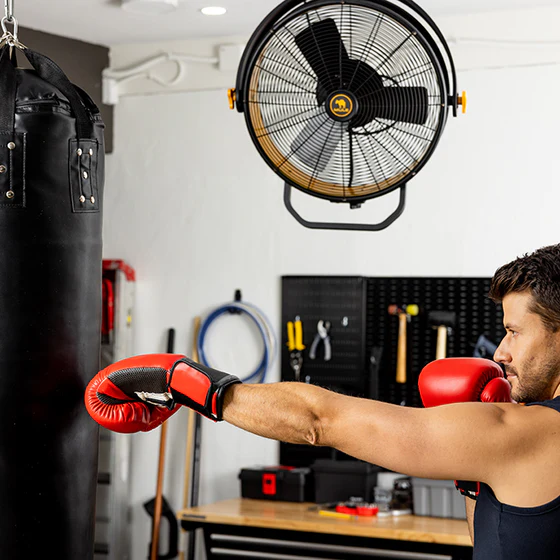
Best Ways to Keep Your Home Gym Cool
There are several effective ways to improve home gym temperature control depending on your setup.
Use fans to increase airflow and keep air circulating during workouts. Ceiling fans or high-velocity floor fans work well in most spaces.
Install proper ventilation to allow hot air to escape, especially in garage gyms where heat can build up quickly.
Add a portable air conditioner or mini-split system for more advanced cooling, especially in warmer climates.
Use a dehumidifier to reduce moisture levels and improve comfort during workouts.
Improve insulation in your garage or home gym space to prevent heat from entering and cool air from escaping.
Why Temperature Control Matters in a Home Gym
Temperature affects performance more than most people realize. If your gym is too hot, you fatigue faster, lose focus, and often cut workouts short. If it’s too cold, your muscles feel tight, warm-ups take longer, and your first sets feel sluggish.
Comfort drives consistency. A gym that feels good to walk into is one you’ll actually use. A gym that feels uncomfortable becomes easy to avoid.
Temperature control also protects your equipment. Excess heat and humidity can impact metal, electronics, and flooring over time. Managing your environment helps protect your investment while improving your training experience.
Why Home Gym Temperature Control Matters
Proper home gym temperature control helps improve workout performance, prevent overheating, and protect your equipment from humidity damage. High temperatures and poor airflow can lead to discomfort, reduced endurance, and even long-term wear on machines and flooring.
By keeping your gym environment cool and well-ventilated, you create a space that supports consistent training and better results.
The Ideal Temperature Range for Workouts
Most home gyms feel best slightly on the cooler side rather than warm. Once you start moving, your body temperature rises quickly, so a cooler room becomes more comfortable during the workout.
Heavier lifting sessions tend to feel better in cooler environments, while lighter workouts can tolerate slightly warmer conditions. The goal is not perfection — it’s consistency. You want a temperature that allows you to train without distraction.
Garage Gym Temperature Challenges
Garage gyms are the most common setup, but they come with the biggest temperature swings. In warmer climates, garages trap heat and can feel significantly hotter than outside. In colder months, they can feel damp and uncomfortable.
This happens because garages often lack insulation, have large doors, and have limited airflow. Heat builds up quickly and stays trapped, while humidity can make the space feel even worse.
That’s why temperature control in a garage gym requires a combination of airflow, insulation, and smart setup decisions rather than relying on one solution.
Indoor Home Gym Temperature Challenges
Indoor gyms are generally easier to manage but can still become uncomfortable during workouts. Smaller rooms trap heat faster, and airflow may be limited depending on the layout.
Basements can feel cooler but may hold moisture. Upstairs rooms can feel warmer due to heat rising. Spare bedrooms may not have enough airflow once you start moving.
Even though indoor gyms benefit from your home’s HVAC system, they still need airflow and circulation to stay comfortable during workouts.
How to Keep a Home Gym Cool
Airflow is the most important factor in cooling your gym. Moving air instantly improves comfort, even if the temperature itself hasn’t changed much.
Fans are one of the simplest ways to improve airflow. Ceiling fans, wall-mounted fans, and floor fans all help circulate air and reduce that heavy, stagnant feeling.
Ventilation also plays a major role. If your space traps air, improving airflow is critical. Make sure to also check out your guide on home gym ventilation solutions to improve circulation and overall comfort.
Lighting can also impact temperature. Some lighting setups generate unnecessary heat, so optimizing your lighting setup can help reduce heat buildup while improving visibility. This ties directly into your home gym lighting for garage gyms guide.
Timing your workouts can also make a difference. Training earlier in the morning or later in the evening can help you avoid peak heat hours.
How to Keep a Home Gym Warm
Cold gyms can make it harder to get started, especially for strength training. When temperatures drop, your muscles feel tighter and require longer warm-ups.
The best approach is to reduce heat loss first. Improving insulation, sealing gaps, and keeping the space enclosed can make a big difference.
A proper warm-up becomes even more important in colder environments. Getting your body ready before lifting will improve both comfort and performance.
Humidity Makes Everything Harder
Humidity can make a gym feel worse than the actual temperature. Even if the room isn’t extremely hot, high humidity makes it feel heavier and more uncomfortable.
Sweat doesn’t evaporate as easily, which makes workouts feel more exhausting. The air feels thick, and the overall environment becomes less enjoyable.
Managing humidity helps improve comfort, protects equipment, and keeps your gym feeling cleaner and more usable.
How Temperature Affects Your Equipment
Extreme temperatures and humidity can impact your equipment over time. Metal can be affected by moisture, electronics can struggle in unstable environments, and flooring may wear differently depending on conditions.
Keeping your gym in a stable environment helps extend the life of your equipment and maintain its performance.
Smart Ways to Improve Comfort Year-Round
The best approach is to combine multiple strategies rather than relying on one fix. Airflow, lighting, insulation, and electrical setup all work together to create a better environment.
This is where your home gym electrical & outlet setup guide becomes important. As you add fans, lighting, and other tools, having proper outlet placement and power setup keeps everything running efficiently.
The goal is to create a space that feels ready to use every time you walk in.
Frequently Asked Questions
What is the best temperature for a home gym?
Most home gyms feel best on the cooler side. A slightly cool room becomes more comfortable once you start working out since your body temperature rises quickly during training.
Why does my garage gym feel hotter than outside?
Garages trap heat due to poor insulation, limited airflow, and large enclosed spaces. Once heat builds up inside, it stays trapped longer, making the space feel hotter than the outside air.
Does humidity really affect workouts?
Yes. High humidity makes it harder for sweat to evaporate, which can make workouts feel more exhausting and uncomfortable even if the temperature itself isn’t extremely high.
Is ventilation the same as temperature control?
No, but they work together. Ventilation improves airflow and air movement, while temperature control focuses on keeping the overall environment comfortable.
Can temperature impact my gym equipment?
Yes. Excess heat and humidity can affect metal equipment, electronics, and flooring over time. A stable environment helps protect your investment.
What’s the easiest way to improve comfort quickly?
Improving airflow is usually the fastest win. Adding fans or increasing air movement can immediately make your gym feel more comfortable without major changes.
Should I work out at certain times of the day?
Yes. In warmer climates, working out early in the morning or later in the evening can help you avoid peak heat and improve overall comfort.
Do I need insulation in my garage gym?
If your garage experiences extreme temperature swings, insulation can make a big difference. It helps stabilize the environment and makes cooling or heating much more effective.
Final Thoughts
Temperature control is one of the most overlooked but most important parts of building a home gym that you’ll actually use long-term. It’s not just about comfort — it directly impacts your performance, your consistency, and how often you show up to train. If your gym feels too hot, too humid, or too cold, every workout becomes harder before it even begins, and over time that creates friction that can derail progress.
The goal isn’t to create a perfect, climate-controlled environment. The goal is to eliminate the barriers that make training uncomfortable. When you combine proper airflow, smart temperature management, and humidity control, your gym becomes a space that works with you instead of against you. That’s when workouts feel smoother, sessions last longer, and consistency becomes easier to maintain.
This is why temperature control should always be part of a bigger setup strategy. Start by building your foundation with your Start Here – Build Your Home Gym the Right Way guide so your layout, space, and equipment are planned correctly from day one. Then improve how your environment feels and performs by dialing in your home gym ventilation solutions to keep air moving, your home gym lighting for garage gyms to improve visibility and reduce heat buildup, and your home gym electrical & outlet setup to support everything safely and efficiently.
As your gym evolves, these elements begin to work together. Your airflow supports your temperature, your lighting improves usability, and your electrical setup powers everything without limitations. That combination is what separates a basic setup from a home gym that is truly built for long-term success.
At the end of the day, the best home gym is the one you actually use. When your space feels comfortable, consistent, and ready every time you walk in, you remove the biggest barrier most people face — getting started. And once that barrier is gone, everything else becomes easier.