
Building your first home gym is exciting, but flooring is one of the most overlooked pieces of the setup. The right flooring protects your space, reduces noise, improves stability, and makes your entire gym feel more complete. The wrong flooring leads to shifting mats, damaged floors, and a setup that never feels quite right.
For beginners, the goal is not to overcomplicate this decision. You want flooring that is practical, durable enough for your current training, and flexible enough to grow with your setup. Whether you’re training in a garage, spare bedroom, or small corner space, choosing the right flooring early can save you time, money, and frustration later.
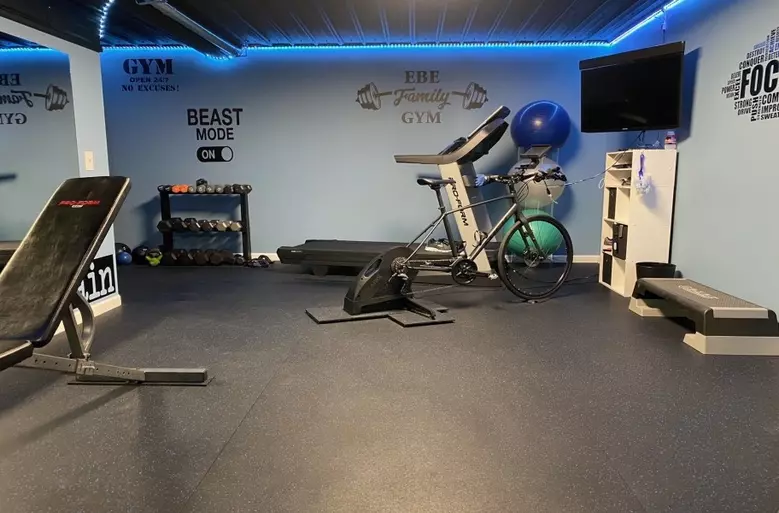
Quick Picks
Best Overall: SUPERJARE Rubber Top Exercise Equipment Mats
Best Budget: BalanceFrom Puzzle Exercise Mat
Best Versatile Option: ProsourceFit Puzzle Exercise Mat
Best for Cardio Equipment: Amazon Basics Equipment Mat
Best for Small Spaces: Rellfit Foldable Treadmill Mat
Why Home Gym Flooring Matters
Home gym flooring does more than just protect your floors. It creates a stable training surface, reduces vibration, and improves overall safety. Even beginner workouts involving dumbbells, lunges, or resistance training can put stress on your flooring.
Good flooring also defines your workout space. This is important psychologically — it turns a random area into a dedicated training zone, which helps with consistency and motivation.
What to Look for in Home Gym Flooring
Thickness
Thicker flooring provides better protection and comfort, especially for strength training.
Material
Foam is budget-friendly and comfortable. Rubber-top or hybrid mats offer more durability and stability.
Stability
Your flooring should stay in place during workouts and not separate or slide.
Ease of Setup
Beginners benefit from flooring that is easy to install, expand, and adjust.
Best Overall Home Gym Flooring for Beginners
SUPERJARE Rubber Top Exercise Equipment Mats
If you want a noticeable upgrade from basic foam flooring, this is one of the best starting points. The rubber top layer provides durability and grip, while the cushioned base keeps it beginner-friendly.
This is ideal for people building a more serious home gym setup that includes dumbbells, benches, and potentially a power rack down the line. It offers a balance between comfort and durability that most beginners eventually need.
Best for: Garage gyms and growing setups
Why it stands out: More durable than foam, more comfortable than full rubber
Best Budget Option
BalanceFrom Puzzle Exercise Mat
If you’re just getting started and want something affordable, this is one of the easiest entry points. It provides basic protection and comfort without requiring a large upfront investment.
This works best for lighter workouts like bodyweight training, resistance bands, and beginner dumbbell routines.
Best for: Budget setups and light training
Why it stands out: Low cost and easy to expand
Best Versatile Flooring Option
ProsourceFit Puzzle Exercise Mat
This is one of the most popular choices for beginners because of its flexibility. It works well across different training styles and can easily be expanded as your gym grows.
It’s especially useful if your workouts include a mix of strength training, mobility work, and accessory exercises.
Best for: Multi-purpose training setups
Why it stands out: Adaptable and beginner-friendly
Best for Cardio Equipment
Amazon Basics Equipment Mat
If your setup is centered around a treadmill, bike, or elliptical, a dedicated equipment mat is often the smarter choice. It protects your floor, reduces vibration, and keeps your machine stable.
This is a simple, practical solution that avoids overbuilding your space.
Best for: Treadmills, bikes, and cardio machines
Why it stands out: Simple and effective
Best for Small Spaces
Rellfit Foldable Treadmill Mat
For smaller setups, flexibility matters. This foldable option is ideal for compact spaces where you don’t want permanent flooring installed.
It’s easy to move, store, and reposition depending on your setup.
Best for: Apartments and small gym corners
Why it stands out: Space-saving and convenient
Common Mistakes Beginners Make
Choosing the Cheapest Option Without a Plan
Cheap flooring can work, but only if it matches your training style.
Not Covering Enough Space
Make sure your flooring fits your actual workout area, not just your equipment footprint.
Ignoring Future Upgrades
Your flooring should support where your gym is going, not just where it is today.
Final Thoughts
For beginners, home gym flooring is one of the smartest early investments you can make. It protects your space, improves your workouts, and makes your entire setup feel more intentional. The key is choosing flooring that matches your current training while still supporting future upgrades.
If you’re planning to expand your setup, your flooring should align with your equipment choices. For example, if you’re adding a rack setup, check out our Best Power Rack for Home Gym Beginners (2026 Guide) so your flooring can support the footprint properly. If your setup includes free weights, pairing this with our Best Olympic Barbell for Garage Gyms (2026 Guide) ensures your space works as a complete system. And if you’re incorporating functional or machine-based training, our Best Cable Machines for Home Gyms (2026 Guide) and Best Home Gym Cable Attachments (2026 Guide) will help you build a more versatile setup.
The goal is not just to build a gym — it’s to build a system that works together. Flooring is the foundation of that system. When you get it right early, everything else becomes easier, more stable, and more enjoyable to use.
Think long-term, build smart, and choose flooring that grows with your gym — not something you’ll need to replace in a few months.