
If you’ve ever dropped a weight, slammed a barbell, or reracked plates in your home gym, you already know how loud it can get. If you’re searching for the best soundproofing for home gyms, the right setup can make a huge difference in reducing noise and protecting your space.
The truth is, most home gyms are not completely soundproof—but with the right materials and layout, you can significantly reduce noise and vibration.
In this guide, we break down the best soundproofing options for home gyms in 2026, including what works, what doesn’t, and how to build a quieter training environment.
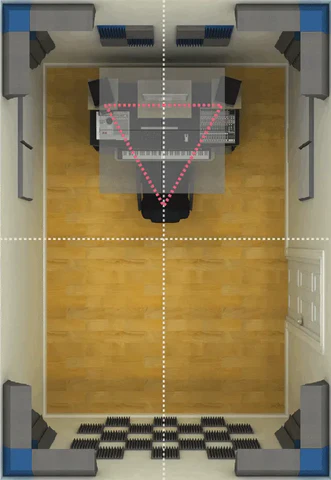
Common Home Gym Soundproofing Mistakes to Avoid
One of the biggest mistakes home gym owners make is assuming thin foam tiles will fully soundproof a room. While foam can help with comfort and minor noise reduction, it usually does not do enough to absorb heavy impact from weights or reduce strong vibration. Choosing the best soundproofing for home gyms comes down to reducing impact, controlling vibration, and improving overall noise management.
Another mistake is focusing only on the floor while ignoring shared walls, equipment placement, and lifting habits. The best soundproofing for home gyms usually comes from a complete approach that includes impact protection, echo control, and better room layout.
Why Home Gym Noise Is a Problem
Noise in a home gym comes from two main sources:
- Impact noise (weights hitting the floor)
- Vibration (sound traveling through floors and walls)
These sounds can travel through walls, ceilings, and floors, making it difficult to train without disturbing others.
The goal isn’t complete silence—it’s controlling impact and vibration as much as possible.
How to Soundproof a Home Gym (Step-by-Step)
Then add:
Start with flooring. Thick rubber mats or platform setups absorb impact and reduce vibration from dropped weights.
Next, address walls and ceilings. Acoustic panels and insulation can help reduce echo and noise transfer between rooms.
Finally, minimize vibration. Equipment placement, isolation pads, and even lifting technique can significantly impact noise levels in your home gym.
The 3 Types of Noise You Need to Control
1. Impact Noise (Biggest Issue)
This comes from:
- Dropping weights
- Deadlifts
- Barbell contact with the floor
Best Product Solution: Thick Rubber Stall Mats
Rubber stall mats are the gold standard for reducing impact noise. They absorb shock from dropped weights and significantly reduce the sound transferred into the floor.
Pros:
- Major reduction in impact noise
- Extremely durable
- Protects both flooring and equipment
Cons:
- Heavy and harder to move
- Strong rubber smell initially
- Requires proper placement
Best for: Every home gym (this should be your first upgrade)
2. Vibration Transfer (Hidden Problem)
Even controlled lifts create vibration that travels through floors and walls.
Best Product Solution: Deadlift Platform + Rubber Layering
A lifting platform adds multiple layers between your weights and the floor, reducing how much vibration transfers through your home.
Pros:
- Dramatically reduces vibration
- Stabilizes lifts
- Ideal for heavier training
Cons:
- Takes up space
- Higher cost than basic mats
- May require DIY setup
Best for: Garage gyms and serious lifters
3. Airborne Noise (Echo & Clanking)
This includes:
- Plate clanking
- Echo in enclosed rooms
- General sound reflection
Best Product Solution: Acoustic Foam Panels
Acoustic panels help absorb sound waves and reduce echo inside your gym.
Pros:
- Reduces echo and sharp noise
- Improves sound quality
- Easy to install
Cons:
- Does not reduce impact noise
- Limited effect on vibration
- Mostly for indoor spaces
Best for: Indoor home gyms or shared wall environments
Recommended Soundproofing Setup (Simple + Effective)
If you want a setup that actually works without overcomplicating things, this is the best combination:
✔ Step 1: Rubber Flooring (Foundation)
Start with thick rubber mats across your lifting area. This alone will make the biggest difference in noise reduction.
✔ Step 2: Add a Lifting Platform (If Lifting Heavy)
If you’re doing deadlifts or Olympic lifts, a platform adds another layer of protection and noise control.
✔ Step 3: Control Echo (Optional Upgrade)
Add acoustic panels if your space echoes or if you’re in a shared indoor environment.
How to Build a Quiet Home Gym (Strategy That Works)
✔ Basic Setup (Most People)
- Rubber mats under lifting area
- Controlled lifting (no dropping weights)
✔ Better Setup (Recommended)
- Full rubber flooring coverage
- Platform for heavy lifts
- Equipment spaced out to reduce vibration
✔ Advanced Setup (Maximum Noise Reduction)
- Platform + rubber flooring combo
- Acoustic panels on walls
- Strategic equipment placement
Common Mistakes to Avoid
Using thin foam mats instead of rubber is one of the biggest mistakes—they don’t absorb enough impact.
Ignoring vibration means noise still travels through your home even if the floor looks protected.
Dropping weights on hard surfaces creates maximum noise and long-term damage.
Overusing acoustic panels without fixing flooring first leads to minimal results.
Budget vs Premium Soundproofing Setups
Budget Setup ($50–$150)
- Basic rubber mats or foam mats
Mid-Range Setup ($150–$400)
- Thick rubber flooring
- Partial lifting platform
Premium Setup ($400+)
- Full rubber flooring
- Dedicated lifting platform
- Acoustic wall panels
Best Materials for Soundproofing a Home Gym
The most effective materials for soundproofing a home gym include thick rubber mats, lifting platforms, acoustic panels, and insulation. Rubber flooring helps absorb impact and vibration, while acoustic panels reduce echo and noise reflection.
Combining multiple materials is usually the best approach. The best soundproofing for home gyms comes from layering solutions that address both impact noise and airborne sound.
Choosing the best soundproofing for home gyms is essential if you want to reduce noise, protect your floors, and create a quieter training environment.
Frequently Asked Questions
What is the best way to soundproof a home gym?
The best way to soundproof a home gym is by combining thick rubber flooring, acoustic panels, and vibration isolation. Flooring helps absorb impact noise, while wall treatments reduce echo and sound transfer.
Can you completely soundproof a home gym?
Completely soundproofing a home gym is very difficult and expensive. However, you can significantly reduce noise by using proper flooring, wall insulation, and equipment placement strategies.
Do rubber mats reduce gym noise?
Yes, rubber mats are one of the most effective ways to reduce gym noise. They absorb impact from dropped weights and help minimize vibration traveling through floors.
How do I reduce vibration from weights?
You can reduce vibration by using thick lifting platforms, rubber mats, and isolation pads under equipment. Lowering weights with control instead of dropping them also helps significantly.
Are acoustic panels worth it for home gyms?
Yes, acoustic panels are effective for reducing echo and improving sound quality inside your gym. While they do not fully block sound, they help control noise and make the space quieter.
Does soundproofing work in a garage gym?
Yes, soundproofing can work well in a garage gym, especially when combining rubber flooring, wall treatments, and strategic equipment placement to reduce noise transfer.
Final Thoughts: Build a Quieter Gym the Right Way
When it comes to reducing noise in a home gym, most people overcomplicate the solution—or focus on the wrong things entirely. The reality is simple: controlling impact and vibration will give you the biggest results, and everything else builds on top of that.
If you take away one thing from this guide, it should be this: start with your foundation. Thick rubber flooring and, if needed, a dedicated lifting platform will dramatically reduce noise, protect your space, and improve your overall training experience. These aren’t optional upgrades—they’re the core of a properly built home gym.
From there, you can layer in additional improvements based on your environment. If you’re dealing with shared walls or echo, acoustic panels can help fine-tune your space. If vibration is still traveling through floors, adjusting your layout or adding more layers between your equipment and the ground can make a noticeable difference.
The goal isn’t to eliminate sound completely—it’s to create a controlled environment where you can train consistently without worrying about disturbing others. A well-designed home gym should work for your lifestyle, not against it.
As you continue building your setup, make sure every piece works together. Flooring, layout, equipment, and even ventilation all play a role in how your gym performs day to day. If you haven’t already, take a look at our guides on Best Home Gym Flooring for Beginners (2026 Guide), Best Home Gym Ventilation Solutions (Garage Gym Airflow Guide 2026), and How Much Does a Home Gym Cost in 2026? (Realistic Budget Guide) and to build a complete, well-balanced training space from the ground up.