
Choosing the best weightlifting belt for your home gym is one of those decisions that can either improve your training immediately or end up being a complete waste of money.
A lot of beginners assume a belt is just “extra support.” In reality, a good belt helps you brace properly, stabilize your core, and lift more efficiently — especially during squats, deadlifts, and heavy pressing. When used correctly, it doesn’t replace strength, it enhances it.
The problem is that most home gym owners buy the wrong belt.
They either go too cheap and end up with something that shifts, loosens, or feels useless under load… or they jump straight into a stiff, heavy-duty belt that feels uncomfortable and never gets used. Both mistakes lead to the same outcome — a belt that sits in the corner instead of becoming part of your routine.
The best weightlifting belt for home gyms is the one that matches how you actually train.
If your workouts are varied and include multiple movements, you need something flexible, quick to adjust, and comfortable. If you’re focused on heavier barbell training, you need something more rigid that can provide consistent support as the weight increases.
In this guide, we break down the best weightlifting belts for home gyms, what actually matters when choosing one, and which options give you the best combination of support, comfort, and long-term value.
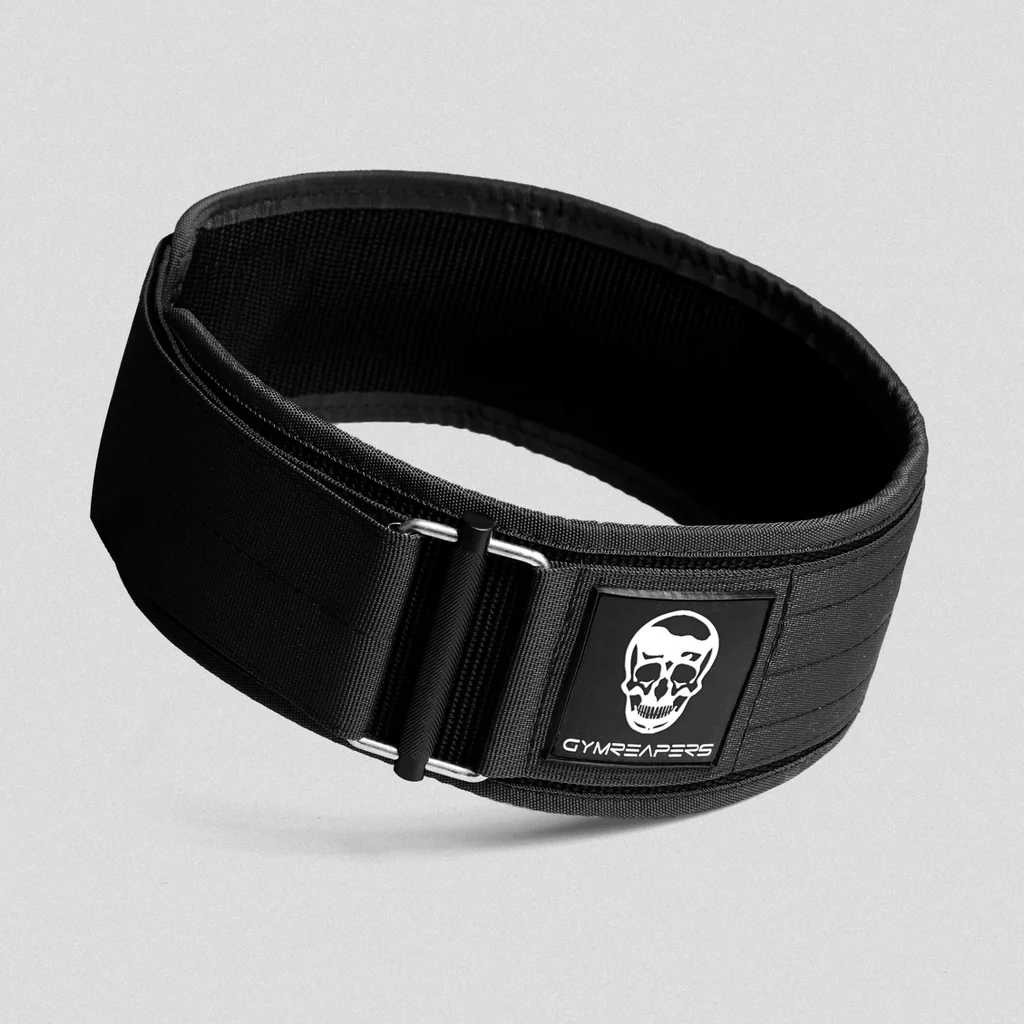
What Makes a Weightlifting Belt Worth It for a Home Gym
A lifting belt should improve your training — not complicate it.
The biggest factor is how the belt helps you brace. A good belt gives you something to push your core against, which increases stability and reduces stress on your lower back during heavy lifts.
The second factor is fit and consistency. If a belt shifts during lifts or takes too long to adjust, you won’t use it. That’s why closure systems matter more than people think.
Material also plays a major role. Nylon belts are lighter, more comfortable, and better for mixed training. Leather belts are stiffer, more supportive, and better for heavy barbell work.
In a home gym, versatility usually wins — but if your training is getting serious, support becomes the priority.
Best Weightlifting Belts for Home Gyms (2026 Picks)
Element 26 Self-Locking Weight Lifting Belt (Best Overall)
The Element 26 Self-Locking Belt is one of the best all-around options for home gyms because it combines ease of use with reliable support.
Its self-locking system is what sets it apart. Unlike traditional Velcro belts that can loosen slightly under pressure, this design stays tight and secure during lifts while still being easy to adjust between sets.
The nylon construction makes it comfortable enough for longer workouts and flexible enough to use across multiple exercises. Whether you’re moving between squats, rows, presses, or accessory work, it doesn’t feel restrictive or bulky.
In real-world home gym use, this is the type of belt you actually wear every session — not just on heavy days.
Best for: Lifters who want one belt that works across all workouts without constantly adjusting or switching gear
Harbinger 4-Inch Padded Leather Belt (Best Budget Upgrade)
The Harbinger leather belt is one of the easiest upgrades from entry-level gear because it introduces real support without overcomplicating your setup.
Unlike basic nylon belts, this gives you a firmer structure, which helps with bracing during compound lifts. The padded interior also makes it more comfortable than traditional stiff leather belts, especially for beginners.
The dual-prong buckle keeps the fit secure, and while it takes slightly longer to adjust than Velcro, it provides more consistency once locked in.
This is a great middle ground option — stronger than beginner belts, but not overwhelming.
Best for: Beginners ready to move into more serious strength training without jumping into a premium belt
Schiek Model 2004 Lifting Belt (Best for Comfort and Fit)
The Schiek 2004 is one of the most comfortable lifting belts you can use in a home gym.
Its contoured design is the biggest advantage. Instead of a straight, rigid shape, it curves naturally around your torso, which reduces pressure on your ribs and hips. This makes a noticeable difference, especially during longer sessions.
It still provides solid support, but it feels more natural than traditional belts. That balance makes it ideal for lifters who want stability without sacrificing movement.
If you’ve ever tried a belt that felt awkward or restrictive, this is the type of upgrade that fixes that problem.
Best for: Lifters who want a belt they can wear comfortably throughout their entire workout
Gymreapers 10MM Lever Belt (Best Premium Option for Heavy Lifting)
The Gymreapers 10MM Lever Belt is built for one purpose — maximum support during heavy lifts.
The thick leather construction gives it a rigid, locked-in feel that helps you brace harder and stay more stable under heavy weight. The lever system makes it easy to get the same tight fit every time, which is critical when you’re pushing heavier loads.
This is not a casual training belt. It’s stiffer, more structured, and designed for serious strength progression.
For lifters who are focused on squats, deadlifts, and heavy pressing, this type of belt can make a noticeable difference in performance and confidence.
Best for: Lifters pushing heavier weight who want maximum support and consistency
RDX Auto Lock 4-Inch Weight Lifting Belt (Best for Versatility)
The RDX Auto Lock belt is a strong option for home gym setups where workouts vary from session to session.
It combines ease of use with reliable support, making it practical for lifters who don’t want to deal with complicated adjustments. The auto-lock system keeps the belt secure while still allowing quick changes between exercises.
It’s not as rigid as a lever belt, but that’s exactly what makes it more versatile.
For general strength training, accessory work, and mixed workouts, this is the kind of belt that fits seamlessly into your routine.
Best for: Lifters who want a simple, effective belt that works across multiple training styles
How to Choose the Best Weightlifting Belt for Your Home Gym
Material
Nylon belts are more flexible and comfortable. Leather belts provide stronger, more rigid support.
Closure System
Velcro and auto-lock are faster. Prong and lever systems are more secure for heavy lifting.
Width
A 4-inch belt is the standard for most lifters because it balances support and comfort.
Training Style
Match your belt to how you train — not what looks the most advanced.
Common Mistakes to Avoid
Buying the cheapest belt available is one of the biggest mistakes. Poor-quality belts often loosen, shift, or wear out quickly.
Another mistake is going too advanced too early. A stiff lever belt might sound appealing, but if it’s uncomfortable, you won’t use it consistently.
Frequently Asked Questions
Do weightlifting belts actually help?
Yes. A belt helps you brace your core more effectively, which improves stability and can reduce strain on your lower back during heavy lifts.
Should beginners use a lifting belt?
Beginners can use a belt, but it should not replace proper technique. It works best as a support tool once you start lifting heavier.
What type of belt is best for home gyms?
For most home gyms, a nylon or self-locking belt is the best starting point because it’s versatile and easy to use.
When should I start using a lifting belt?
You should consider using a belt when weights become challenging enough that bracing properly becomes more difficult — typically during heavier compound lifts.
Final Thoughts
Choosing the best weightlifting belt for your home gym is about finding the right balance between support, comfort, and consistency.
A belt should make your training feel stronger and more controlled — not more complicated. The best option is the one that fits your body, matches your training style, and becomes part of your routine every time you lift.
For most home gym owners, that means starting with a versatile belt that works across multiple exercises. As your strength improves, you can always move into something more specialized if needed.
Your setup also matters.
If you’re still building your foundation, check out our Best Home Gym Equipment for Beginners (Complete Starter Setup Guide) to make sure you’re covering the essentials. If your training revolves around barbell work, our Best Barbell for Home Gym Beginners (Safe & Affordable Picks 2026) pairs directly with this guide. And if you want your gym to stay organized as you grow, our Best Weight Plate Storage for Home Gyms (2026 Guide) will help keep everything efficient and clutter-free.
At the end of the day, the best weightlifting belt for home gyms is the one you actually use — because consistency is what drives real strength.