
If you’re building a home gym, one of the first real decisions you need to make is whether your setup should focus more on cardio or strength training. It sounds like a simple question, but it shapes almost everything that comes next — the equipment you buy, the space you need, the workouts you follow, and the results you’re most likely to get. Choosing between cardio vs strength training at home can be confusing, especially when building a home gym that fits your goals.
A lot of people get this wrong early. They buy equipment based on impulse, load up on gear they rarely use, or go all-in on one style of training without thinking about their actual goals. Some assume cardio is the fastest path to results. Others believe strength training is the only thing that matters. The truth is more practical than that.
Cardio and strength training both matter, but they do different jobs. Cardio helps improve endurance, burn calories, and support heart health. Strength training helps build muscle, improve body composition, increase daily function, and support long-term metabolism. The right focus depends on what you want most from your home gym and what type of routine you can realistically stick with.
In this guide, we’ll break down cardio vs strength training at home in a way that actually helps you make decisions. We’ll cover the strengths and weaknesses of each, when one should take priority over the other, and how to create a balanced plan that fits your goals, space, and budget.
Understanding cardio vs strength training at home is essential if you want to maximize results without wasting time on the wrong type of workouts.
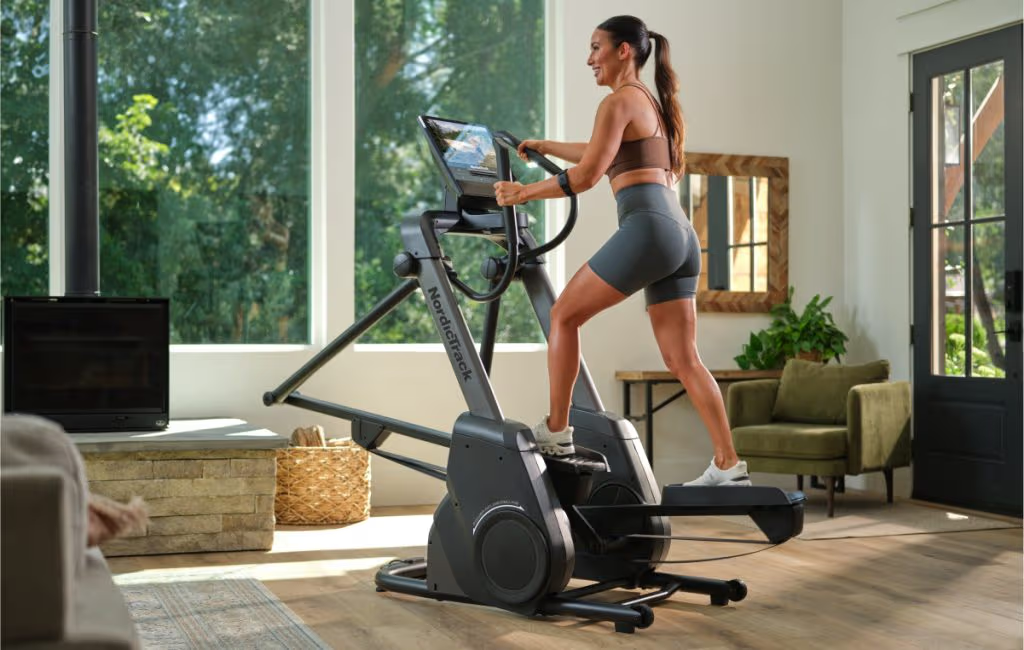
What Cardio Training Does Best
Cardio training is built around movement that raises your heart rate and keeps it elevated for a sustained period of time. In a home gym, that can include treadmills, ellipticals, bikes, rowing machines, walking workouts, stair-stepping, or even bodyweight circuits done at a faster pace.
The biggest advantage of cardio is efficiency when it comes to calorie burn and endurance. If your goal is to improve conditioning, increase daily activity, or support fat loss, cardio can play a major role. It also tends to be simple to understand. You get on the machine, move consistently, and track time, distance, pace, or intensity.
Cardio also works well for people who want structured workouts without much guesswork. A treadmill walk, an elliptical interval session, or a steady bike ride can be easy to repeat and build into a weekly routine.
That said, cardio has limits. It can help you burn calories, but it usually does not do enough by itself to reshape your body the way many people expect. If you rely only on cardio and ignore resistance training, you may lose weight without improving strength, muscle tone, or long-term metabolic support.
Many people struggle with cardio vs strength training at home because they are unsure which delivers better long-term results.
Cardio vs Strength Training at Home: Which Is Better?
When comparing cardio vs strength training at home, the better option depends on your specific goals and how you plan to use your home gym. Cardio is typically better for improving endurance, burning calories during workouts, and supporting heart health, while strength training is more effective for building muscle, increasing metabolism, and creating long-term changes in body composition.
For most people, strength training should serve as the foundation of a home workout routine, with cardio added to improve conditioning and overall fitness. This approach allows you to build strength while still benefiting from the calorie burn and cardiovascular improvements that cardio provides.
Instead of choosing one over the other, the most effective strategy is combining both in a way that fits your schedule and keeps you consistent. A balanced routine that includes strength training as the priority and cardio as support will deliver the best long-term results for most home gym setups.
Why Cardio vs Strength Training at Home Matters for Your Results
Choosing cardio vs strength training at home is one of the most important decisions you’ll make when building your workout routine. The type of training you prioritize directly affects your results, whether your goal is fat loss, muscle growth, or overall fitness. Cardio helps increase calorie burn and improve endurance, while strength training builds muscle and supports long-term metabolic health. Understanding how cardio vs strength training at home impacts your progress allows you to create a more effective plan and avoid wasting time on workouts that don’t align with your goals.
What Strength Training Does Best
Strength training focuses on resistance. That resistance can come from dumbbells, barbells, cable machines, benches, racks, kettlebells, resistance bands, or even bodyweight exercises when programmed correctly.
The biggest advantage of strength training is that it changes your body over time in a more lasting way. It helps you build muscle, preserve lean mass, improve posture, strengthen joints, and create a stronger foundation for daily life. It also improves your ability to perform better in other activities, including cardio.
Another major benefit is efficiency in long-term results. Cardio burns more calories during many workouts, but strength training supports muscle retention and metabolic function over time. That matters if your goal is not just to lose weight, but to look better, feel stronger, and maintain progress.
Strength training also gives your home gym more flexibility. With the right setup, one rack, bench, set of dumbbells, or cable machine can support dozens of exercises and years of progression. That makes it one of the smartest long-term investments for many home gym owners.
Its limitation is that it requires more structure. Good strength training depends on exercise selection, progression, recovery, and consistency. It is not complicated once you get going, but it does require more planning than simply hopping on a cardio machine for twenty minutes.
Cardio vs Strength Training for Weight Loss
If fat loss is your main goal, the best answer is usually not choosing one over the other. It is using both in the right proportion.
Cardio helps create extra calorie burn. Strength training helps preserve or build muscle while you lose fat. That combination is what usually leads to the best results. Without strength training, weight loss can leave you looking and feeling smaller but not necessarily stronger or more defined. Without cardio, it can be harder to increase total activity and create the calorie deficit many people need.
For most home gym users focused on fat loss, strength training should still be the foundation, with cardio layered on top as support. That gives you the best chance of improving body composition rather than simply losing scale weight.
When comparing cardio vs strength training at home, it’s important to match your workouts to your long-term goals.
Cardio vs Strength Training for Muscle and Strength
If your top goal is building muscle, gaining strength, or changing the way your body looks, strength training should clearly take priority.
Cardio still matters for health and conditioning, but it should not dominate your setup or your weekly plan. Your best investment will usually be equipment that supports resistance training first, then a cardio option second if your space and budget allow it.
That means a beginner or intermediate home gym owner will usually get more value from strength-focused gear than from relying entirely on cardio equipment. A strong base of resistance training gives you more long-term progress and more ways to train.
Cardio vs Strength Training for General Health
If your goal is general fitness, energy, mobility, and staying active long-term, both matter. In fact, this is where the debate becomes less about choosing one and more about creating balance.
Cardio supports heart health, work capacity, and endurance. Strength training supports muscle, stability, movement quality, and aging well. Together, they give you the most complete result.
This is why the best home gym setups often include at least one way to perform cardio and one way to train for strength. You do not need a huge room or commercial-level layout to do that well. You just need a smart plan.
Which Should You Focus On First at Home?
If you are just getting started, strength training usually deserves slightly more attention because it offers more long-term return. It improves function, supports body composition, and gives your home gym more versatility.
That does not mean ignoring cardio. It means not building your entire setup around cardio unless that directly matches your goals.
A smart beginner approach might look like this:
Strength training 3 days per week
Cardio 2 to 3 days per week
1 to 2 lighter recovery or mobility days
That structure works for a lot of people because it is realistic, balanced, and sustainable. It also prevents the common mistake of doing too much cardio while never building strength.
How to Choose Based on Your Home Gym Space
Your available space matters more than most people realize.
If you have limited room, strength training equipment often gives you more value per square foot. Adjustable dumbbells, a bench, resistance bands, or a foldable rack can support a huge variety of workouts. Cardio machines, on the other hand, often take up a fixed amount of space for a narrower training purpose.
If you have more room, combining both becomes easier. A treadmill or elliptical can give you a reliable cardio option, while your main training area can still focus on dumbbells, benches, cable machines, or a rack.
The best setup is not the one with the most equipment. It is the one that matches your goals and gets used consistently.
The Best Long-Term Answer
For most people, the best answer is this: prioritize strength training, keep cardio in the plan, and build a home gym that supports both over time.
That gives you flexibility. On days when you want intensity and muscle work, you have it. On days when you want a lighter session, conditioning, or extra calorie burn, you have that too.
It also makes your home gym more future-proof. Your goals may change over time. You might start with fat loss, then shift toward strength. You might start with basic conditioning, then want more muscle. A balanced setup gives you room to grow without needing to start over.
One of the biggest advantages of training at home is flexibility. You can shift between cardio and strength training based on your schedule, energy level, and goals without needing to rely on a crowded gym or limited equipment.
FAQ
Is cardio or strength training better at home?
It depends on your goal. Cardio is great for endurance, calorie burn, and heart health, while strength training is better for building muscle, improving body composition, and creating long-term physical changes. For most people, strength training should be the foundation and cardio should support it.
Should beginners focus on cardio or strength training first?
Most beginners will benefit more from starting with strength training as the main focus while adding cardio a few times per week. Strength training builds a stronger base, improves daily function, and gives your home gym more long-term value.
Can I lose weight with only cardio at home?
You can lose weight with cardio alone if your nutrition supports a calorie deficit, but combining cardio with strength training usually leads to better long-term results. Strength training helps preserve muscle while you lose fat.
How many days a week should I do cardio and strength training at home?
A common and effective approach is strength training 3 days per week and cardio 2 to 3 days per week. That balance works well for many people and supports both fitness and recovery.
Is strength training more important than cardio for a home gym?
For many home gym owners, yes. Strength equipment usually offers more versatility and long-term value, especially in limited space. Cardio still matters, but strength training often gives you more return on your investment.
What if I only have space for one type of training?
If space is very limited, strength training equipment often gives you more flexibility. A compact strength setup can support a wide range of exercises, while many cardio machines serve one main purpose. You can still add cardio through walking, circuits, or bodyweight conditioning.
What is better cardio or strength training at home?
For most people, strength training should be the foundation while cardio supports endurance and calorie burn. Combining both delivers the best overall results.
Final Thoughts
When it comes to cardio vs strength training at home, the smartest answer for most people is not picking one side and ignoring the other. It is knowing which one should lead based on your goal.
If your main focus is building muscle, getting stronger, and improving body composition, strength training should be the foundation of your setup. If your main focus is endurance, daily calorie burn, and heart health, cardio should stay in the mix. But for most home gym owners, strength training deserves the bigger investment while cardio works best as support.
Understanding cardio vs strength training at home helps you build a more effective and sustainable workout plan.
That is also the most practical way to build your space. If you are still creating your setup, start with foundational planning through Start Here – Build Your Home Gym the Right Way, then pair your strength work with smart equipment choices like Best Foldable Power Rack for Garage Gyms (2026 Guide), Best Cable Machines for Home Gyms (2026 Guide), and Best Adjustable Dumbbells for Home Gyms. If you want to add conditioning without leaving home, cardio-focused options like Best Treadmill for Home Gym (2026 Guide) and Best Elliptical Machines for Home Gyms (2026 Guide) can round out your training plan.
The real goal is not to win a cardio-versus-strength debate. The goal is to build a home gym and a weekly routine that you will actually use. When your setup matches your goals and your training stays consistent, both cardio and strength training become tools that work together instead of competing for attention.