
Home gym electrical setup is one of the most overlooked — yet most critical — parts of building a safe, functional, and efficient workout space.
Most people focus on racks, weights, and machines first, assuming everything else will fall into place. But without proper electrical planning, your setup can quickly run into problems like overloaded circuits, poor lighting, limited outlet access, and unsafe power usage. These issues don’t just create inconvenience — they can disrupt workouts and increase long-term safety risks.
A properly planned home gym electrical setup ensures your space can handle everything from lighting and fans to cardio machines and accessories without strain. It also improves overall performance by providing consistent power, better visibility, and a cleaner, more organized layout.
Whether you’re building a garage gym, basement setup, or dedicated workout room, understanding how to plan your electrical system the right way will save you time, money, and frustration as your gym grows.
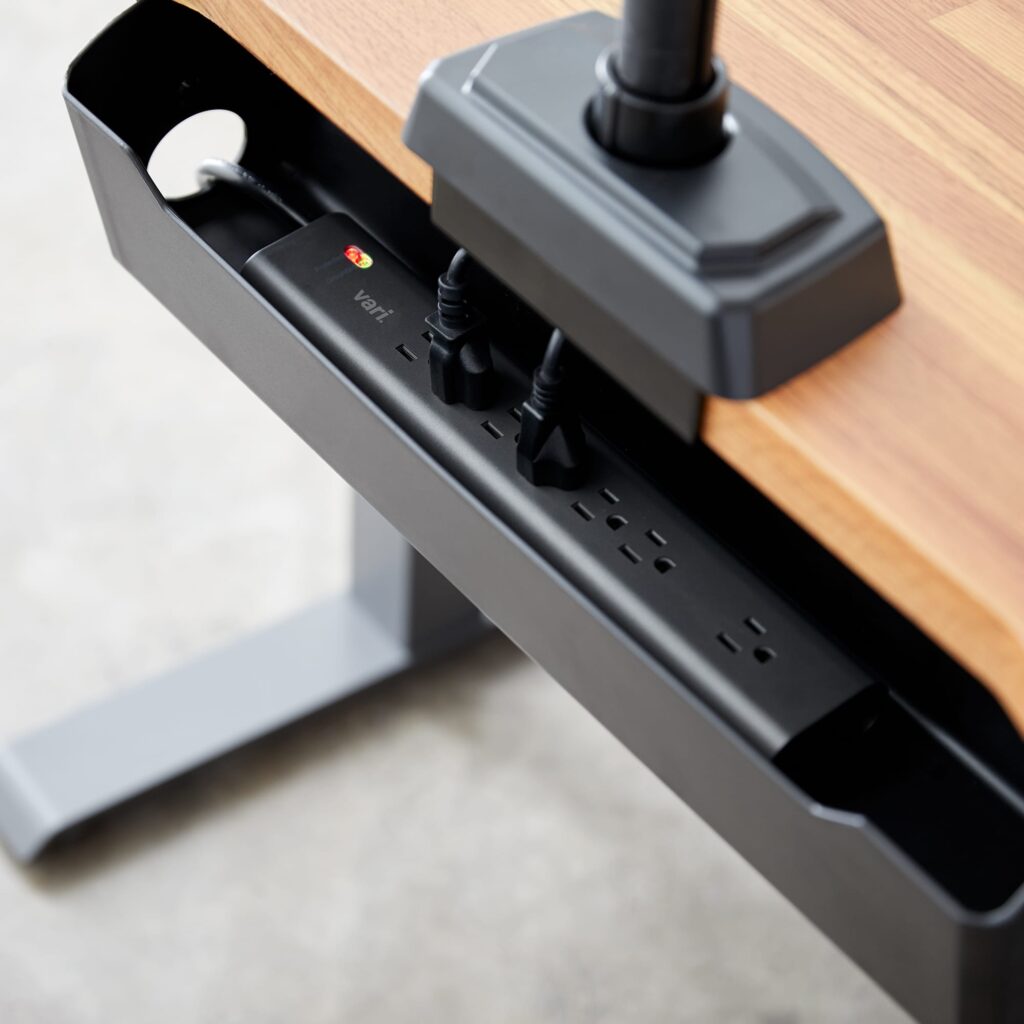
Why Electrical Setup Matters in a Home Gym
A properly planned home gym electrical setup directly impacts both performance and safety.
Without the right setup, equipment may not run efficiently, lighting can be insufficient, and circuits can become overloaded when multiple devices are running at the same time. This is especially common in home gyms where treadmills, bikes, fans, and lighting are all connected to the same outlets.
These issues don’t just create inconvenience — they can interrupt workouts, damage equipment over time, and create potential safety risks.
A well-designed home gym electrical setup ensures your space can handle your current equipment while allowing room for future upgrades. It also improves organization by reducing reliance on extension cords and power strips, creating a cleaner and more reliable training environment.
How Much Power Does a Home Gym Need?
For most home gyms, power needs will vary depending on how advanced your setup is.
A basic setup that includes lighting, a fan, and possibly a small speaker system typically doesn’t require much beyond a standard residential circuit. However, once you introduce larger equipment like treadmills, rowing machines, or multiple powered devices running at the same time, your power demand increases significantly.
Many cardio machines require dedicated circuits to operate safely and efficiently. Running multiple high-draw machines on a single circuit can cause breakers to trip or reduce the lifespan of your equipment. Planning ahead for how your gym may evolve is key.
Garage vs Indoor Electrical Considerations
Garage gyms come with a unique set of challenges compared to indoor spaces.
Most garages are equipped with GFCI (Ground Fault Circuit Interrupter) outlets, which are designed to shut off power if moisture or electrical imbalance is detected. This is especially important in environments like Florida, where humidity can be high.
Indoor home gyms typically have more stable electrical environments, but they may lack sufficient outlet placement depending on the room’s original purpose.
In a garage, you also need to consider temperature fluctuations, potential moisture exposure, and whether your existing circuits can handle additional load. In some cases, upgrading or adding a dedicated circuit may be the best long-term solution.
Where to Place Outlets in a Home Gym
Strategic outlet placement can make a huge difference in how functional your gym feels.
Outlets should be positioned where you actually use equipment — not just where they happen to exist.
Cardio Equipment Area
Place outlets near treadmills, bikes, or rowers so they can plug in directly without extension cords. This keeps your setup clean and reduces safety risks.
Wall and Perimeter Placement
Outlets along walls are ideal for fans, lighting, or additional accessories. Spacing them evenly allows for flexibility as your layout evolves.
Entertainment and Smart Setup Areas
If you have a TV, speakers, or smart devices in your gym, make sure outlets are positioned behind or near those setups to avoid visible cords.
Avoid relying heavily on extension cords, as they create clutter and can become tripping hazards. If your layout requires constant use of them, it’s usually a sign that additional outlets should be installed.
Lighting and Power Setup Tips
Lighting plays a major role in both safety and performance during workouts. A well-lit space reduces the risk of injury and improves focus.
Overhead lighting should provide even coverage across your gym, while task lighting can be used in specific areas like racks or lifting zones. Ideally, your lighting should be connected to easily accessible switches so you’re not walking through a dark space to turn everything on.
If you haven’t optimized your setup yet, take a look at our guide on home gym lighting for garage gyms to improve visibility and overall workout performance. Pairing your lighting setup with proper airflow is just as important — especially in garage gyms — so make sure to also check out our guide on home gym ventilation solutions to improve comfort and air circulation.
Electrical Safety Tips for Home Gyms
Safety should always be the priority when dealing with electricity in your home gym.
Never overload a circuit with multiple high-power devices. If you’re unsure about your circuit capacity, it’s better to stay conservative or consult a professional. Use surge protectors for sensitive equipment, especially electronics or cardio machines.
Keep cords organized and out of walkways to avoid tripping hazards. In garage environments, be mindful of moisture and ensure outlets are properly rated for the space. Regularly inspect cords and plugs for wear and tear.
If something feels off — like frequent breaker trips or inconsistent power — address it early rather than working around it.
Recommended Electrical Accessories for Home Gyms
While your core setup should rely on proper outlets and circuits, a few key accessories can improve safety and usability.
High-quality surge protectors help protect expensive equipment from power fluctuations. Heavy-duty extension cords (used sparingly and appropriately) can provide flexibility when needed. Cable management solutions help keep your space clean and organized, especially as you add more equipment over time.
Smart plugs and timers can also be useful for controlling lighting or fans without needing to manually switch everything on and off.
These small additions don’t replace proper electrical planning, but they enhance your overall setup when used correctly.
When to Call an Electrician
There are times when it makes sense to bring in a professional.
If you need to add new outlets, install dedicated circuits, or upgrade your electrical panel, working with a licensed electrician ensures everything is done safely and up to code. This is especially important if your gym includes multiple machines or if your home’s electrical system is older.
Investing in proper electrical work upfront can save you from costly issues or limitations later on.
Frequently Asked Questions
Do I need a dedicated circuit for a home gym?
Not always, but if you’re running high-powered equipment like treadmills or multiple machines at once, a dedicated circuit is strongly recommended.
Can I use extension cords in my home gym?
You can, but they should be used minimally and never as a permanent solution. Over-reliance on extension cords usually indicates poor outlet placement.
Are garage gym outlets safe to use?
Yes, especially if they are GFCI outlets. These are designed to protect against electrical hazards in environments where moisture may be present.
How many outlets should a home gym have?
At minimum, you should have enough outlets to power your equipment without relying on power strips for everything. More outlets provide better flexibility and a cleaner setup.
What’s the biggest electrical mistake people make?
Overloading circuits and relying too heavily on extension cords. Both can create safety risks and limit your setup long-term.
Final Thoughts
A great home gym isn’t just built with equipment — it’s built with intention. Electrical setup is one of those foundational pieces that most people overlook early on, but it becomes incredibly important as your gym grows.
Taking the time to plan your power needs, optimize outlet placement, and prioritize safety will pay off every time you step into your gym. You’ll have a space that feels cleaner, runs smoother, and supports your workouts without limitations.
If you’re building your gym from the ground up, start with the foundation by following our Start Here – Build Your Home Gym the Right Way guide so you can map out your entire setup correctly from day one. From there, make sure your environment is dialed in by reviewing your home gym ventilation solutions and home gym lighting for garage gyms to create a space that is comfortable, efficient, and built for performance.
And as you continue expanding your setup, don’t forget to explore your equipment options — especially when it comes to lower body training — by checking out the best leg press machines for home gyms so you can choose the right equipment that fits both your space and your goals.
When your electrical setup, environment, and equipment all work together, your home gym becomes more than just a place to work out — it becomes a system that supports long-term consistency and results.