
If you’ve invested real money into your home gym, the last thing you want is to watch your equipment break down faster than it should. The truth is, most home gym equipment doesn’t wear out because it’s used too much — it wears out because it’s not maintained properly.
Gym equipment maintenance is essential if you want to reduce wear and tear and keep your setup performing at its best.
Wear and tear doesn’t hit all at once. It builds slowly. A loose bolt here. A little rust there. A treadmill that starts sounding rough. A bench that feels slightly unstable. Over time, those small issues stack up and turn into real problems.
The good news is this is completely avoidable. You don’t need complicated routines or expensive tools. You just need a few simple habits done consistently. When you take care of your equipment the right way, it lasts longer, performs better, and saves you money in the long run.
This guide breaks down exactly how to reduce wear and tear on your home gym equipment so your setup stays in top shape for years.
Home Gym Equipment Maintenance Routine You Should Follow
Most people assume heavy lifting is what damages equipment. That’s only part of the story.
The biggest causes of wear and tear are actually:
- Sweat sitting on surfaces
- Humidity in garage gyms
- Dust buildup in moving parts
- Loose hardware over time
- Poor storage habits
If your gym is in a garage, this matters even more. Heat and humidity can quietly cause rust and corrosion before you even notice it. Add in dust, sweat, and lack of maintenance, and your equipment starts aging faster than it should.
The key is staying ahead of those small problems before they turn into expensive ones.
10 Ways to Reduce Wear and Tear on Your Home Gym Equipment
1. Wipe Equipment Down After Every Workout
This is the easiest win. Sweat breaks down materials over time, especially on benches, barbells, and handles. A quick wipe after each workout keeps moisture and grime from sitting on surfaces.
2. Control Humidity in Your Gym
Humidity is one of the biggest threats to your equipment. If you’re in a garage gym, consider a dehumidifier or at least monitor humidity levels. Lower moisture means less rust and longer equipment life.
3. Keep Your Gym Clean
Dust doesn’t just look bad — it gets into moving parts. Treadmills, cable machines, and bikes are especially vulnerable. Vacuum or sweep your gym regularly to prevent buildup.
4. Tighten Bolts and Hardware
Over time, equipment loosens up. Check bolts on benches, racks, and machines regularly. Tight equipment performs better and lasts longer.
5. Use Proper Lubrication Where Needed
Some equipment requires lubrication to function properly, especially treadmills. Use the correct type and don’t overdo it. Follow manufacturer guidelines when possible.
6. Store Equipment the Right Way
Leaving weights and accessories on the floor leads to unnecessary damage. Use racks, storage trees, or wall-mounted systems to keep everything organized and protected.
7. Clean Your Barbell Regularly
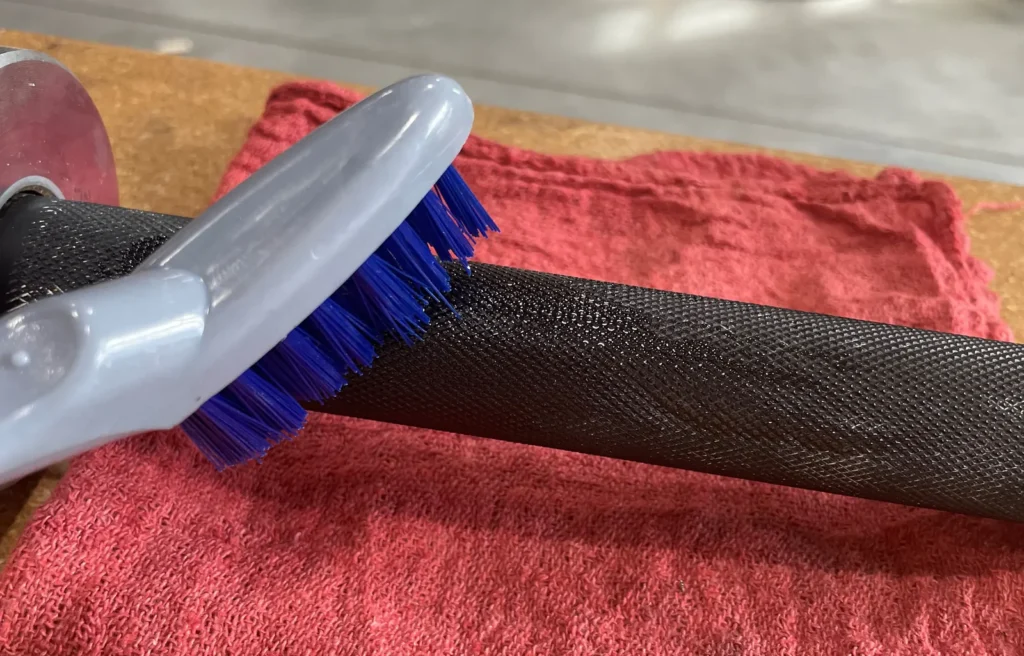
Barbells collect chalk, dust, and sweat. Over time, this leads to corrosion. Use a brush to clean the knurling and keep it in good condition.
8. Protect Your Flooring
Good flooring reduces impact and protects both your equipment and your space. It also helps keep dirt from spreading throughout your gym.
9. Address Issues Early
If something starts squeaking, grinding, or feeling off, don’t ignore it. Small issues are easy to fix early and expensive to fix later.
10. Follow a Simple Maintenance Routine
You don’t need anything complicated:
- After workouts: wipe equipment
- Weekly: clean floors and machines
- Monthly: check bolts and inspect equipment
- Every few months: deeper maintenance
Consistency is what makes the difference.
Best Products to Help Reduce Wear and Tear
ThermoPro TP49 Digital Hygrometer
If your gym is in a garage, this is one of the smartest small purchases you can make. It lets you monitor humidity so you can prevent rust before it starts. It’s simple, affordable, and extremely useful for protecting your equipment long-term.
Silicone Treadmill Lubricant
If you own a treadmill, this is essential. Proper lubrication reduces friction and keeps the belt running smoothly. Skipping this step can shorten the life of your machine.
Barbell Cleaning Brush
A basic barbell brush helps remove chalk and buildup from knurling. This keeps your bar feeling good and prevents long-term corrosion.
3-IN-ONE Multi-Purpose Oil
This is useful for small moving parts and hardware. It helps reduce friction and can protect exposed metal when used correctly.
ProsourceFit Puzzle Exercise Mat
Good flooring protects your equipment and reduces impact. It also makes your gym easier to clean and maintain.
FAQ: How to Reduce Wear and Tear on Your Home Gym Equipment
How often should I clean my equipment?
You should wipe it down after every workout and do a deeper clean at least once a week.
What causes the most damage to home gym equipment?
Humidity, sweat, dust, poor storage, and lack of maintenance are the biggest factors.
Is a garage gym harder on equipment?
Yes. Heat and humidity can speed up wear and tear, especially on metal equipment.
Do I need to lubricate all equipment?
No. Only lubricate equipment that requires it, like treadmills or certain moving parts.
How do I prevent rust on my equipment?
Keep it dry, clean it regularly, and control humidity in your gym.
Does flooring really matter?
Yes. Flooring protects both your equipment and your space while reducing impact and wear.
Is maintenance really worth it?
Absolutely. Small maintenance habits can extend the life of expensive equipment by years.
Final Thoughts
Taking care of your home gym equipment doesn’t need to be complicated, but it does need to be consistent. Staying consistent with home gym equipment maintenance is the easiest way to protect your investment and avoid costly repairs.
One of the biggest mistakes people make is waiting until something breaks before thinking about maintenance. A simple home gym equipment maintenance routine can prevent most issues before they start. Small habits like cleaning, tightening hardware, and checking moving parts can extend the life of your equipment by years.
The difference between equipment that lasts two years and equipment that lasts ten usually comes down to simple habits. Wiping things down. Keeping your space clean. Staying ahead of humidity. Fixing small issues early.
When you build those habits into your routine, your equipment performs better, looks better, and saves you money over time.
And just as important, it keeps your training consistent. Because the last thing you want is equipment failing when you’re trying to stay on track.
If you’re looking to take things a step further, improving your overall gym setup can also help reduce wear and tear. Start with your environment by dialing in your temperature and airflow in Home Gym Temperature Control (How to Keep Your Gym Cool in Any Season).
If your gym is in a shared or tight space, organization matters even more. Check out How to Set Up a Home Gym in a Shared Garage (2026 Guide) to keep your equipment protected and your space functional.
And if your layout is working against you, it can lead to unnecessary damage over time. That’s where How to Plan Your Home Gym Layout Around Your Training Style (2026 Guide) comes in — helping you structure your setup the right way from the start.
At the end of the day, your home gym is an investment. The better you take care of it, the longer it will take care of you.