
A good weightlifting belt can make a big difference when you start training heavier at home. Whether you are squatting in a power rack, deadlifting in the garage, or doing high-rep training with a cable machine setup, the right belt helps create more core stability and can make heavy lifts feel more secure.
The challenge is that not every belt is built for the same type of lifter. Some home gym owners want a stiff leather belt for heavy squats and deadlifts. Others want a lighter belt that works better for functional fitness, faster transitions, or general strength training. That is why choosing the right model matters.
In this guide, I rounded up the best weightlifting belts for home gyms based on support, comfort, value, versatility, and overall fit for garage gym training.
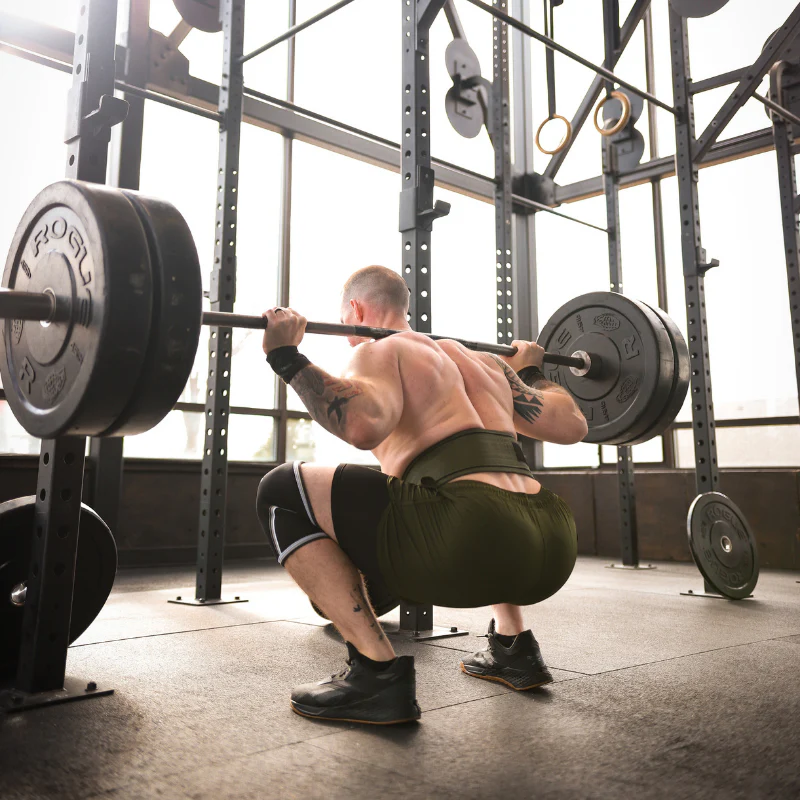
Quick Picks: Best Weightlifting Belts for Home Gyms
– Best Overall: Element 26 Self-Locking Weight Lifting Belt
– Best for Heavy Lifting: Dark Iron Fitness Genuine Leather Weightlifting Belt
– Best Value: Harbinger Padded Leather Contoured Weightlifting Belt
– Best for Functional Fitness: Gymreapers Quick Locking Weight Lifting Belt
– Best Premium Pick: Schiek Sports Model 2004 Nylon Lifting Belt
Best Weightlifting Belts for Home Gyms
A quality weightlifting belt can make a major difference when you start pushing heavier lifts in a home gym environment. Whether you’re squatting in a power rack, deadlifting with an Olympic barbell, or performing heavy rows and presses, a belt helps improve core bracing and stability so you can lift more safely and confidently.
Not every belt is designed for the same style of training. Some belts are built for heavy powerlifting-style strength work, while others are better suited for functional fitness or general strength training sessions. In the sections below, we break down the best weightlifting belts for home gyms based on support, comfort, durability, and overall value so you can choose the one that fits your training style.
Best Overall Weightlifting Belt for Home Gyms
Element 26 Self-Locking Weight Lifting Belt
The Element 26 Self-Locking Weight Lifting Belt is my pick for best overall because it fits the widest range of home gym users. If you want one belt that can handle squats, deadlifts, overhead work, and general strength sessions without feeling too bulky, this is a smart choice.
The biggest selling point is the self-locking design. It is much easier to tighten and loosen than a traditional stiff leather belt, which makes it especially useful in home gyms where you may move between exercises quickly. It gives solid support without feeling overly rigid, and it works well for lifters who want a belt that feels athletic rather than old-school.
This is a strong option for people doing mixed training in a garage gym, especially if your workouts include barbell lifts, dumbbell work, and some circuit-style lifting in the same session. It is supportive enough for serious training, but versatile enough that it does not feel limited to only max-effort lifting days.
Best for: Most home gym owners who want a versatile all-around belt
Why it stands out: Easy to use, secure fit, good balance of support and comfort
Potential downside: Not the best pick if you specifically want a very stiff traditional leather powerlifting belt
Best Weightlifting Belt for Heavy Lifting
Dark Iron Fitness Genuine Leather Weightlifting Belt
If your home gym training is centered around heavy squats, deadlifts, rows, and presses, the Dark Iron Fitness Genuine Leather Weightlifting Belt is a great fit. This is the type of belt that appeals to lifters who want more structure and a more classic feel.
Leather belts still have a loyal following because they feel stable under heavy loads, and this one is a strong option for garage gym lifters who are pushing progressive overload week after week. It feels more substantial than lighter nylon belts, which can be a real positive if your main concern is support during heavier barbell work.
Another reason I like this pick for home gyms is that it is simple. There is no learning curve, no unusual locking system, and no overly complicated design. You put it on, tighten it down, and get to work. For lifters building a serious strength-focused setup at home, that is often exactly what they want.
Best for: Heavy strength training and traditional barbell work
Why it stands out: Leather construction, classic design, strong support for compound lifts
Potential downside: Less convenient than a quick-lock or self-locking belt for fast-paced workouts
Best Value Weightlifting Belt for Home Gyms
Harbinger Padded Leather Contoured Weightlifting Belt
The Harbinger Padded Leather Contoured Weightlifting Belt is a very good choice if you want solid support without spending premium-belt money. For many home gym owners, this is the sweet spot between affordability and real training usefulness.
The contoured shape helps it feel less awkward than some bulky belts, especially for lifters who do not want something overly stiff around the torso. The padded feel can also make it more comfortable for newer lifters who are still getting used to training with a belt.
This is the type of belt I would recommend to beginner-to-intermediate home gym users who are ready to add support for heavier lifts but do not want to overspend. It works especially well if your training is centered around general strength work rather than chasing near-max singles all the time.
Best for: Budget-conscious home gym owners
Why it stands out: Good support for the money, approachable design, comfortable feel
Potential downside: Not as premium-feeling or performance-driven as higher-end options
Best Weightlifting Belt for Functional Fitness Home Gyms
Gymreapers Quick Locking Weight Lifting Belt
The Gymreapers Quick Locking Weight Lifting Belt is a smart pick for home gym users who do more than just heavy straight-bar work. If your training includes Olympic lift variations, high-rep strength work, supersets, or conditioning-style sessions, this type of belt makes a lot of sense.
The quick-lock style is the main attraction. It is faster to adjust than a traditional prong belt, and that convenience matters if your workouts move quickly. In a home gym environment, where many people train alone and want efficient transitions, this kind of design can save time and frustration.
This belt is also a good fit for lifters who want support but do not want the stiffness of a classic leather model. It gives a more flexible, athletic feel while still helping you brace better during work sets.
Best for: Functional fitness, mixed training, and faster-paced home workouts
Why it stands out: Quick adjustments, athletic feel, versatile for different training styles
Potential downside: May not feel as locked-in as a stiff leather belt for maximum-effort strength work
Best Premium Weightlifting Belt for Home Gyms
Schiek Sports Model 2004 Nylon Lifting Belt
The Schiek Sports Model 2004 Nylon Lifting Belt is a premium option for home gym lifters who want a well-known design with a supportive feel and a more specialized fit. Schiek belts have been popular for years because they feel different from standard belt designs in a good way.
This model is especially appealing for lifters who want a belt that feels supportive without going full powerlifting-style leather. It is a strong option for bodybuilding, machine work, accessory lifts, and general home gym strength training where comfort matters just as much as support.
If your garage gym setup includes a mix of barbells, benches, cable attachments, and accessory work, this style of belt can fit that environment really well. It has more of a premium training feel and may appeal to experienced lifters who know exactly what they like.
Best for: Lifters who want a premium nylon belt with a proven reputation
Why it stands out: Comfortable support, unique fit, strong reputation among serious lifters
Potential downside: Pricier than simpler entry-level belts
How to Choose the Best Weightlifting Belt for Your Home Gym
Choosing the right weightlifting belt becomes much easier when you think about how you actually train in your home gym. Some lifters focus primarily on heavy barbell lifts like squats and deadlifts, while others mix strength training with conditioning, accessory work, and circuit-style workouts. The type of training you do will influence whether a traditional leather belt or a lighter nylon belt is the better choice.
Comfort, adjustability, and overall support are also important factors. A belt that feels too stiff or difficult to tighten may end up sitting on a hook instead of being used regularly. By understanding the main differences between belt materials, closure systems, and training styles, you can choose a belt that fits naturally into your home gym workouts.
Leather vs. Nylon
Leather belts are usually the better choice for lifters focused on heavy squats, deadlifts, and presses. They tend to feel stiffer and more supportive, which many strength-focused garage gym owners prefer.
Nylon belts are usually better for mixed training, functional fitness, and workouts where you want more comfort and easier adjustments. They are often the better fit for home gyms where training styles vary from day to day.
Closure Style
Prong belts are traditional and reliable, but they take a little more time to tighten and loosen.
Quick-lock and self-locking belts are much more convenient if you move through workouts quickly or share your home gym with another user.
Belt Width and Feel
Most home gym lifters do well with a belt that offers enough support without feeling overly restrictive. A belt that is too stiff or uncomfortable may end up hanging on a hook instead of being used consistently.
Your Training Style Matters
If your training is mostly heavy barbell work, a stronger leather option usually makes the most sense.
If your training includes circuits, bodybuilding, Olympic-lift variations, or general fitness work, a lighter and faster-adjusting belt is often the better buy.
Are Weightlifting Belts Worth It for a Home Gym?
For many home gym owners, yes. A good belt is one of those accessories that can improve confidence under the bar and make hard work sets feel more stable.
That does not mean every beginner needs one right away. But once you start pushing heavier squats, deadlifts, overhead presses, or rows, a quality belt can absolutely earn its place in your setup.
The good news is that you do not have to overspend. There are solid options for different budgets and training styles, which makes it easier to find the right match for your garage gym.
Final Thoughts
The best weightlifting belt for your home gym depends on how you train, but the Element 26 Self-Locking Weight Lifting Belt stands out as the best overall choice for most people because it combines support, comfort, and convenience in a way that fits a wide range of home workouts.
If your priority is heavier barbell lifting, the Dark Iron Fitness Genuine Leather Weightlifting Belt is a strong choice. If you want better value, Harbinger gives you a practical option without a huge price tag. And if your training style is more fast-paced or functional, Gymreapers and Schiek both deserve a serious look.
If you are still building out your setup, you may also want to check out our guides to the best Olympic barbells for garage gyms, best cable machines for home gyms, best home gym cable attachments, and best leg extension / leg curl machines for home gyms to round out your training space.